Meta Description: Learn how credit cards affect your credit score in 2026. Discover the effects of FICO 10T, BNPL reporting, and how to optimize utilization for a higher rating.
How Credit Cards Affect Your Credit Score
In 2026, the relationship between your credit cards and your credit score is more dynamic than ever. While the foundational “five factors“ of credit scoring remain, the introduction of trended data and the integration of digital financing options like Buy Now, Pay Later (BNPL) have fundamentally changed how lenders view your financial health.
Understanding these shifts is no longer optional—it is the difference between being approved for a 4% mortgage or being rejected entirely. This guide breaks down exactly how credit cards impact your score today and how you can master the new rules of the 2026 credit landscape.
The SGE Summary: How Credit Cards Impact Your Score
Credit cards influence your credit score through five key pillars: Payment History (35%), Credit Utilization (30%), Credit Age (15%), Credit Mix (10%), and New Credit (10%). In 2026, lenders also use “trended data” (FICO 10T) to see if your balances are growing or shrinking over time, rather than just looking at a monthly snapshot.
1. The Core 5: How the Math Works in 2026
Despite technological shifts, the primary FICO® and VantageScore® models still rely on a specific weighted hierarchy.
I. Payment History (35%)
This is the single most important factor. A single credit card payment that is 30 days late can drop a high credit score by 100 points instantly. In 2026, automation is your best defense. Setting up “Auto-Pay” for at least the minimum amount ensures you never miss a deadline.
II. Credit Utilization Ratio (30%)
Utilization is the percentage of your total credit limit that you are currently using.
-
The Old Rule: Keep it under 30%.
-
The 2026 Rule: Experts now push for under 10% to achieve “Elite” status.
High utilization signals to lenders that you may be overextended, even if you plan to pay the bill in full at the end of the month.
III. Length of Credit History (15%)
The “Age” of your accounts matters. This includes the age of your oldest account and the average age of all your accounts combined. Closing a 10-year-old credit card often causes a score drop because it lowers your average account age.
IV. Credit Mix (10%)
Lenders like to see that you can handle different types of credit. Having a revolving credit card alongside an installment loan (like an auto loan or student loan) creates a healthy “mix.”
V. New Credit (10%)
Every time you apply for a credit card, the lender performs a Hard Inquiry. In 2026, with tighter lending standards, multiple hard inquiries in a 30-day window can signal financial distress and temporarily lower your score.
2. The 2026 “Trended Data” Shift: FICO 10T vs. VantageScore 4.0
The biggest change in recent years is the transition from “snapshot” scoring to “trended” scoring. Traditional models (like FICO 8) only cared what your balance was on the day it was reported.
Newer models, specifically FICO 10T and VantageScore 4.0, look at the last 24 months of behavior. They analyze whether you are:
-
A Transactor: Someone who pays their balance in full every month.
-
A Revolver: Someone who carries a balance from month to month.
If your trended data shows your balances are steadily increasing over 24 months, your score may decrease even if you never miss a payment. Conversely, if you are steadily paying down debt, these models will reward you more quickly than older versions.
3. The BNPL Revolution: Does “Pay-in-4” Affect Your Score?
By 2026, Buy Now, Pay Later (BNPL) services like Affirm, Klarna, and Afterpay are officially integrated into credit reports.
Previously, these small installment loans were “invisible.” Now, most BNPL providers report to at least one of the three major bureaus (Equifax, Experian, or TransUnion).
-
Positive Impact: Paying off a BNPL plan on time can help “thin file” consumers build credit history.
-
Negative Impact: Because BNPL accounts are often considered “new credit,” opening several in a short time can lower your average account age and trigger multiple inquiries, hurting your score.
4. Business Credit Cards and Personal Scores: The B2B Nuance
If you are a small business owner, the line between your business card and personal score is thinner than you think.
| Issuer | Does it report to Personal Credit? | When? |
| Capital One | Yes | Most Spark cards report all activity. |
| Chase / Amex | No | Only if the account becomes “Seriously Delinquent.” |
| Wells Fargo | No | Reports only negative information. |
In the 2026 economy, commercial lenders are increasingly scrutinizing “Personal Guarantees.” Even if a card doesn’t report monthly activity, a high balance on a business card for which you are personally liable can affect your Debt-to-Income (DTI) ratio during a mortgage or personal loan application.
5. Strategic “Hacks” to Boost Your Score Instantly
If you need a score increase within 30 to 60 days, use these procedural frameworks:
The “Statement Date” Hack
Most people pay their bill by the Due Date. However, the balance is usually reported to credit bureaus on the Statement Closing Date (usually 21-25 days before your due date). By paying your balance 3 days before the statement closes, you ensure that a $0 or low balance is reported, instantly lowering your utilization.
The Credit Limit Increase (CLI)
Call your issuer and ask for a higher limit. If they grant it without a “Hard Pull,” your utilization ratio drops immediately without any negative impact.
-
Example: A $2,000 balance on a $5,000 limit is 40% utilization. A $2,000 balance on a $10,000 limit is 20% utilization. Your score goes up, and you didn’t pay a cent extra.
The Authorized User “Piggyback”
If you have a trusted family member with a long-standing credit card and a perfect payment history, ask to be added as an Authorized User. You don’t even need to use the card; their 10+ year history will appear on your report, boosting your score almost overnight.
6. Decision Framework: Choosing a Card to Build Credit
Depending on your current score, your strategy for using credit cards will differ.
-
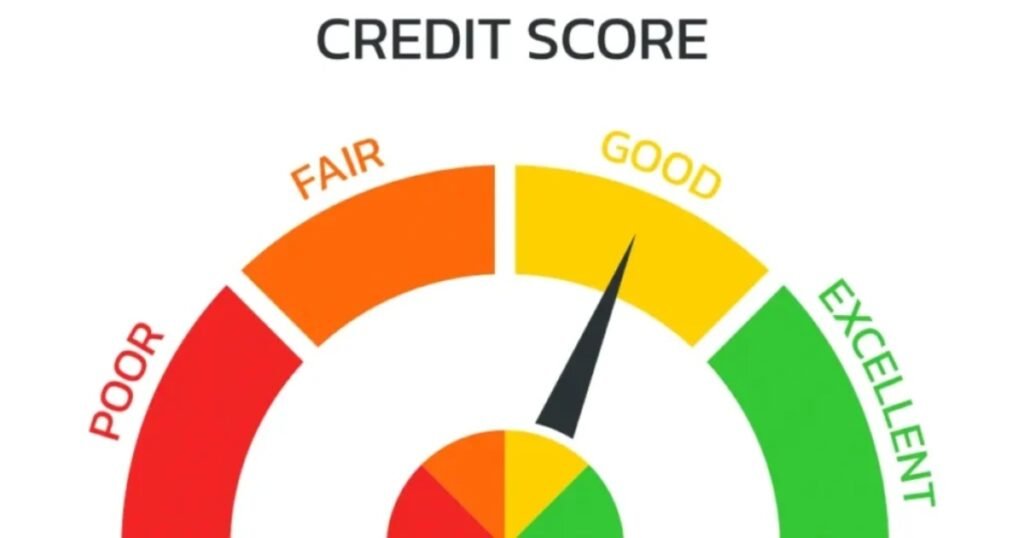
Score < 580 (Poor): Focus on Secured Credit Cards. These require a deposit (e.g., $200) that becomes your credit limit. They are the safest way to prove reliability.
-
Score 580–669 (Fair): Look for “Credit Builder” cards or store cards. Be wary of high APRs and always pay in full.
-
Score 670–739 (Good): You now qualify for rewards cards. Use them for fixed expenses (like groceries) and pay them off immediately.
-
Score 740+ (Very Good/Excellent): Focus on maintaining low utilization and avoiding unnecessary “Hard Inquiries.”
7. Common Mistakes & Warnings
-
Closing Old Cards: This is the #1 mistake. It reduces your “Length of History” and your “Total Available Credit.” Keep them open unless they have an expensive annual fee.
-
The “Minimum Payment” Trap: While it protects your payment history, the interest adds to your balance, which increases your utilization and can lead to a “debt spiral.”
-
Applying for Too Many Cards: In 2026, “Shotgunning” applications is a red flag for fraud detection systems and AI-driven underwriting models.
People Also Ask (FAQs)
1. How long after paying off a credit card does my score update?
Usually 30 to 45 days. Most credit card issuers report to the bureaus once a month on your statement closing date. Once they report the $0 balance, it takes about a week for the bureaus to update your file.
2. Is 30% utilization still the gold standard in 2026?
No. While 30% used to be the “safe” threshold, 2026 data shows that consumers with scores above 800 typically keep their utilization under 7%. Aim for single digits for the best results.
3. Does checking my own credit score lower it?
No. Checking your own score is a Soft Inquiry. Only “Hard Inquiries” (when a lender checks your credit for an application) affect your score.
4. Can I use a credit card to pay off another credit card?
Not directly. You would need a Balance Transfer. This can help your score if the new card has a lower interest rate, but the “New Credit” inquiry will cause a small, temporary dip.
5. Will a business credit card show up on my personal report?
For most major issuers like Amex and Chase, business cards only show up if you default. However, Capital One and some smaller banks report all business activity to personal bureaus.
6. Can a high income make up for a low credit score?
No. Credit scores measure your reliability, not your wealth. You can have a million-dollar salary and a 500 credit score if you forget to pay your credit card bills.
7. Does having no credit cards help my score?
Actually, it can hurt it. Without credit cards, you have a “thin file,” making it difficult for the FICO and VantageScore models to calculate your risk level. One or two cards used responsibly are better than none.
Conclusion: The 2026 Credit Roadmap
Credit cards are the most powerful tool in your financial arsenal—but they require discipline. In the world of trended data and FICO 10T, consistency is the new “hack.”
Your Immediate Steps:
-
Check your utilization: If it’s over 10%, make a mid-month payment today.
-
Audit your BNPL: Ensure your “Pay-in-4” plans are being paid on time as they now impact your report.
-
Hold your old cards: Even if you don’t use them, keep them open to maintain your credit age.
Click here: Balance Transfer Strategies……………..